

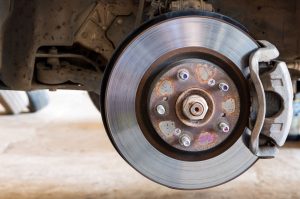
Your vehicle’s brakes are one of the most critical safety features. They are your lifeline, providing you with the means to stop your car when needed. However, they’re not immune to wear and tear, and it’s important to recognize the signs that you made need new brakes. Understanding these cues could be the difference between a safe drive or a potentially dangerous situation. Let’s explore five signs that indicate it might be time to give your brakes a little love.
5 Signs You May Need New Brakes
1. Squeaky Wheels Don’t Always Get the Grease
One of the first giveaway signs that your brakes are on their last legs can be an ear-piercing, high-pitched squeal. Modern cars are equipped with a small metal shim, called an indicator, that’s designed to make this noise when the brake pads have worn down. It’s a clever warning system, as the squeal lets you know it’s time to replace the pads before they damage your rotors.
2. The Pulse of Your Pedal
When you press on the brakes, it should feel smooth and consistent. If you notice a pulsating or vibrating sensation, it could be a sign that your brake rotors are warped. Warping can occur due to excessive heat or stress, resulting in an uneven surface that leads to the pulsating feeling when you brake.
3. The Pulling Power of Brakes
If your vehicle seems to pull to the left or the right when you brake, it’s a sign of uneven brake wear. This could be due to a variety of issues, such as a stuck caliper, collapsed brake hose, or uneven brake pads. Regardless of the cause, address this behavior promptly as it can compromise your control over the vehicle, especially during emergency stops.
4. Respond to the Warning Light
Don’t ignore the warning lights on your dash! All cars have a dashboard warning light that illuminates when there’s a problem with the braking system. If the light comes on, it’s best to have your brakes checked by a professional as soon as possible. Remember, safety should always be a priority on the road.
5. The Life of Your Breaks
Awareness of the mileage at which various brake components require replacement is crucial. While brake pads typically need replacement every 30,000 to 35,000 miles, there’s no set rule for how often you should change your rotors or calipers. Refer to your vehicle’s manual for the manufacturer’s recommended service intervals and check the components whenever you take your car in for maintenance. By paying attention to these signs and promptly addressing any issues with your brakes, you’ll be taking a proactive step to keep yourself and others safe on the road. Remember, your brakes need regular TLC to ensure they function properly. Don’t wait until it’s too late – keep an eye out for these signs and take action as needed.
The Process of Getting New Brakes
If you’ve determined that your brakes need replacing, the first step is to take your car to a trusted mechanic or dealership. They will thoroughly inspect your brake system and provide you with an estimate for the necessary repairs. It’s essential to follow through with these recommendations, as delaying could lead to more significant issues down the road. Once you’ve approved the repair work, the mechanic will start by removing the wheels and old brake pads. They’ll then clean and lubricate the brake components, replace any worn parts, such as rotors or calipers, and install new brake pads. After everything is securely in place, they’ll test your brakes to ensure they’re working correctly and make any necessary adjustments.
Maintaining Your Brakes
After getting new brakes, it’s vital to keep up with regular maintenance to ensure they last as long as possible. This includes regularly checking the brake fluid level and topping it off if needed, as well as monitoring for any unusual noises or behaviors while driving. It’s also essential to use your brakes properly to prevent premature wear. Avoid riding your brakes while driving and try not to come to sudden stops unless necessary. Additionally, avoid overloading your vehicle as this can put unnecessary strain on the brakes.
Stop by Scott’s Automotive
Your brakes are a vital safety feature of your vehicle and require regular attention to ensure they’re functioning correctly. By being aware of warning signs, promptly addressing any issues, and properly maintaining them, you can keep yourself and others safe on the road. If you have any concerns about your brakes, don’t hesitate to stop by Scott’s Auto for a thorough inspection and professional service.