

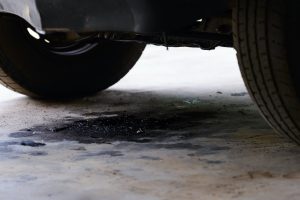
Discovering a mysterious puddle under your car can quickly turn a good day into a stressful one. While any leak is a signal that your vehicle needs attention, not all leaks are created equal. The color of the fluid leaking from your car can provide vital clues about the source of the problem. Understanding what different colors signify can help you identify the issue and gauge the severity of the situation.
Clear Fluid
If the liquid pooling under your car is clear, it’s most likely just water. This is especially common in hot weather or after using your car’s air conditioner. The AC system generates condensation, which then drains outside the car, often leaving a small puddle behind. Clear water is generally no cause for concern.
Green, Yellow, or Pink Fluid
A brightly colored leak, typically green, yellow, or pink, often points to antifreeze (also known as coolant). Coolant is essential for regulating your vehicle’s temperature, preventing it from overheating. A leak could indicate a crack in the radiator, a loose hose clamp, or a failing water pump. Given the critical role of the cooling system, a coolant leak should prompt an immediate visit to the mechanic.
Red or Pink Fluid
Red or pink fluid can indicate a leak in the transmission or power steering system. Transmission fluid keeps the transmission lubricated and cool, while power steering fluid ensures your steering turns smoothly. Leaks in these systems can lead to significant damage if not addressed promptly, potentially resulting in costly repairs.
Brown or Black Fluid
Engine oil can appear brown or black and greasy. An oil leak might stem from a variety of issues, such as a degraded engine gasket, a loose oil filter, or a damaged oil pan. Oil is crucial for lubricating and cooling engine components. Neglecting an oil leak can lead to engine overheating and severe damage.
Dark Brown or Black and Sticky Fluid
If the leak is dark brown or black and has a sticky consistency, it could be brake fluid. This is one of the most serious types of leaks because brake fluid is vital for your vehicle’s braking system. A leak in this system can compromise your ability to stop the car safely. If you suspect a brake fluid leak, it’s essential to get it checked by a professional immediately for your safety and others on the road.
How to Respond to a Leak
- Identify the Fluid: Use the color and consistency of the leak as a guide to narrow down the possible sources.
- Check Fluid Levels: Safely check the levels of the suspected fluids. If any are low, it’s likely you’ve found your leak.
- Monitor the Leak: Place a piece of cardboard under the car where you noticed the puddle forming. This can help you track the rate of the leak and provide useful information to your mechanic.
- Consult a Professional: Even with a good guess at the source of the leak, it’s best to have your car inspected by a qualified mechanic. They can provide a definitive diagnosis and recommend the necessary repairs.
Preventive Measures
Regular maintenance is key to preventing leaks. Routine checks of fluid levels, hoses, and seals can catch small issues before they turn into bigger, more expensive problems. Following your vehicle’s maintenance schedule and addressing any warning lights or performance changes promptly can help keep your car running smoothly and leak-free.
Get Help with Scott’s Automotive
A leak under your car is not something to ignore. By understanding what different fluid colors indicate, you can take informed steps toward addressing the issue. Remember, when in doubt, it’s always best to consult with a professional at Scott’s Auto to ensure your vehicle receives the care it needs. Keeping up with regular maintenance and being proactive about potential leaks can save you time, money, and stress in the long run. Find a location near you today!